Korean Sunscreen Textures Explained: Cream, Serum, or Stick?
Korean sunscreens are often praised for feeling more like skincare than traditional beach sunscreen. Yet “lightweight” can mean very different things: a cushiony cream, a fluid sun serum, or a solid stick that glides over the skin. All three can fit a good sun-care routine, but they are not automatically interchangeable.
The most important choice still happens on the label. Look for the level of protection appropriate to your needs, follow the product directions, and use enough. Texture mainly decides how easily you can spread the product, how it sits with the rest of your routine, and whether you will reapply when needed.
The quick answer
- Choose a sun cream when you want a familiar, easy-to-see layer for your main morning application.
- Choose a sun serum when you prefer a fluid, skincare-like feel that layers comfortably in a lightweight routine.
- Choose a sun stick for compact, targeted application and convenient top-ups—while taking care to build an even layer.
There is no universal winner. Climate, skin feel, the products underneath, makeup, and your plans for the day all influence which texture feels easiest to use correctly.
Sun cream: controlled, familiar coverage
Sun cream is the classic tube format. Its body makes it easy to see where you have placed the product before spreading it across the face, ears, neck, and other exposed areas. That visibility can be useful for a complete first application, especially when a very fluid formula tends to run between the fingers.
Cream does not always mean heavy. The BEPLAIN Sunmuse Mineral Sunscreen SPF50+ PA++++ is a mineral, zinc-oxide formula described by the brand as lightweight, fast-absorbing, non-sticky, and naturally radiant. It suits someone who wants the structure of a cream without choosing an intentionally rich or greasy finish.
A cream texture can feel especially comfortable when your routine underneath is simple. If you already use several hydrating layers, however, a rich moisturizer plus cream sunscreen may feel like too much in humid weather. Let each layer settle, reduce unnecessary steps, and test how the combination wears before a long holiday day.
Sun serum: fluid and easy to layer
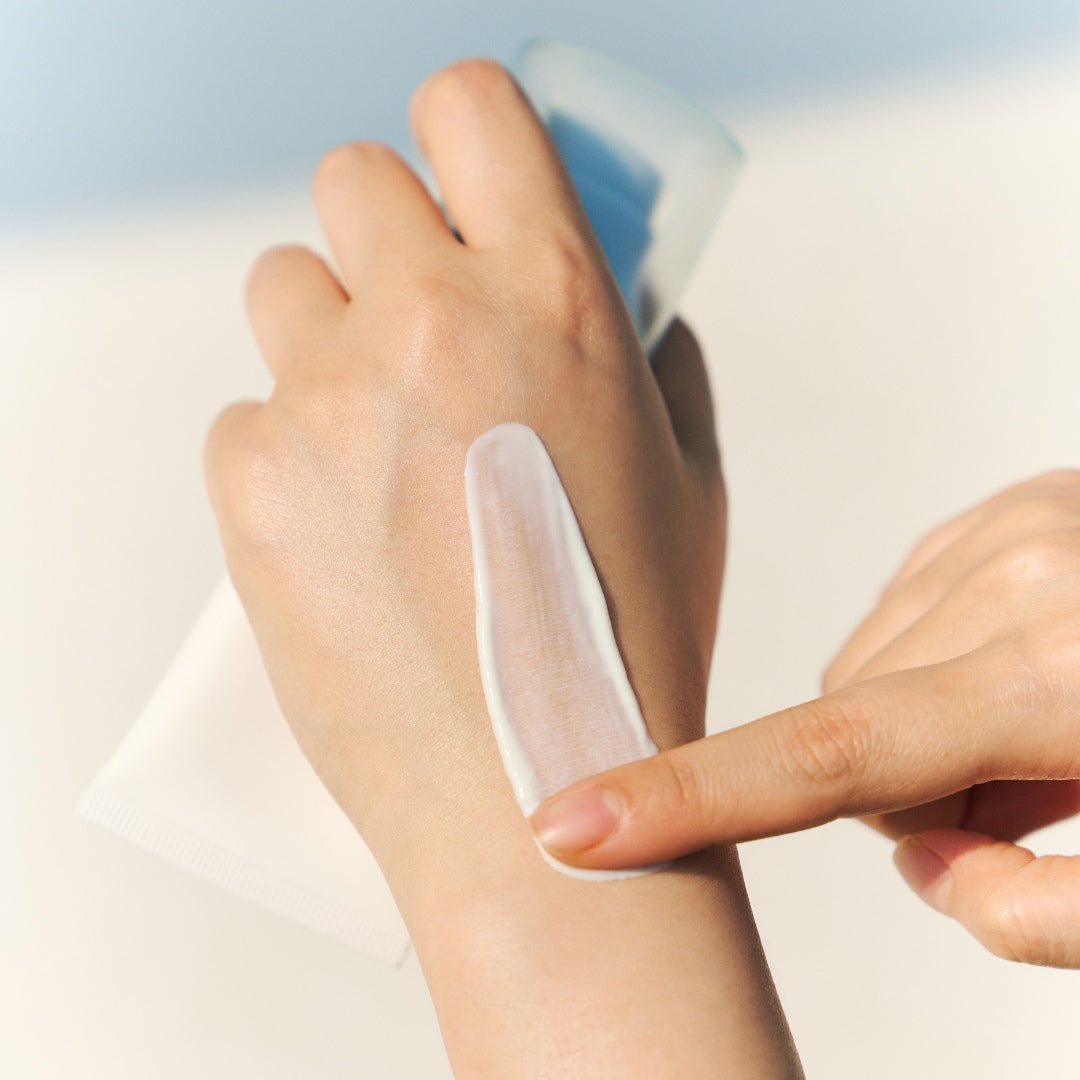
“Sun serum” describes the sensorial style, not a separate protection category. These formulas are usually more fluid and spread with the slip of a light serum or gel-cream. They appeal to people who dislike a dense sunscreen feel or want an SPF step that sits neatly under makeup.
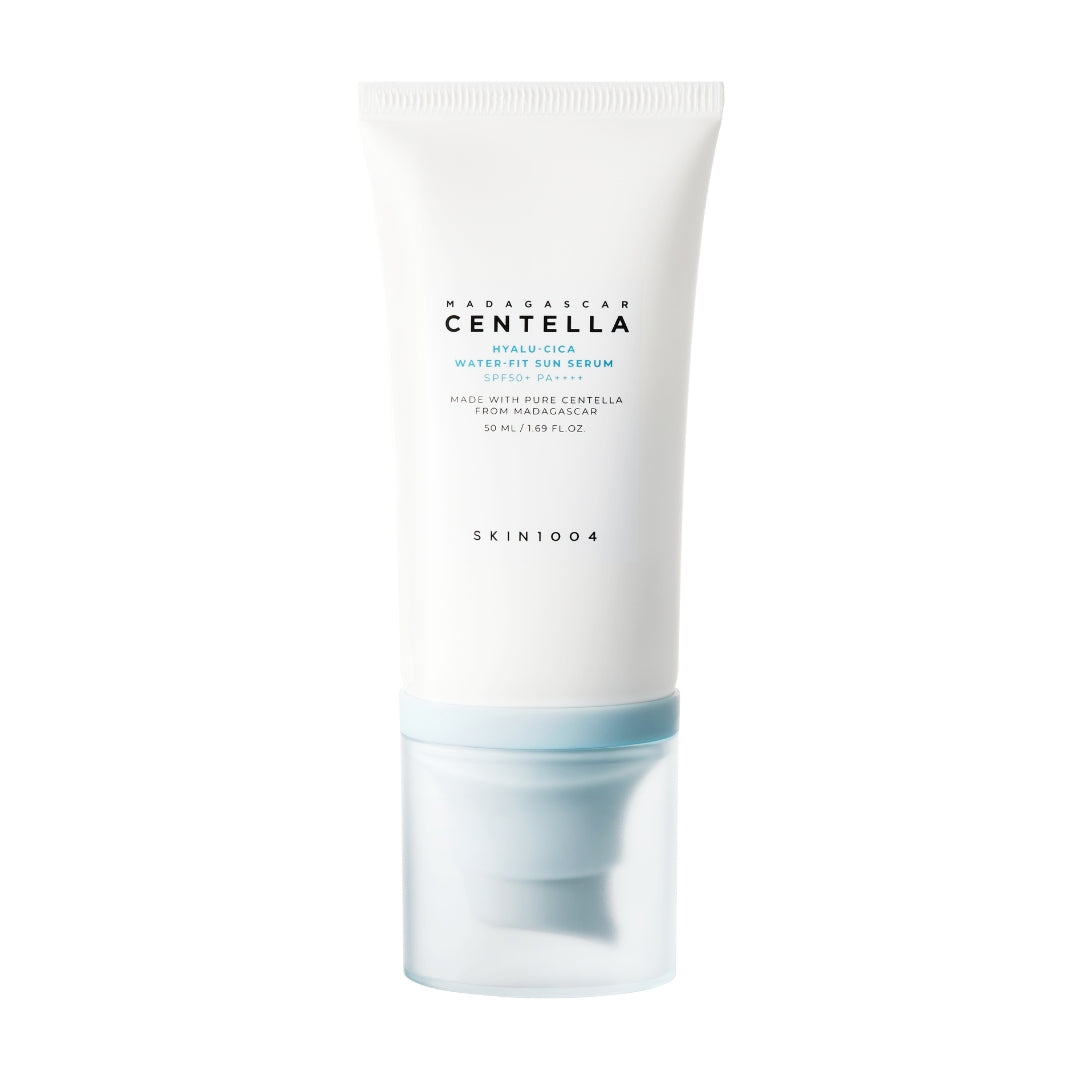
The SKIN1004 Madagascar Centella Hyalu-Cica Water-Fit Sun Serum SPF50+ PA++++ has a watery, serum-like texture, quick absorption, and a glowy finish. Its format makes it a natural match for a minimal warm-weather morning: light hydration if needed, sun serum, then makeup.
Do not let the elegant feel encourage under-application. A serum sunscreen is still sunscreen, not a few decorative drops of skincare. Apply it evenly according to the label, include easy-to-miss edges, and allow the protective layer to form before rubbing makeup over it. If the finish becomes too dewy, simplify the moisturizer underneath rather than using less SPF.
Sun stick: portable and precise
A sun stick replaces a liquid emulsion with a solid balm-like format. It is tidy, cabin-bag friendly, and easy to carry for commuting, city walks, or a day trip. The curved or narrow surface can also make targeted areas—such as the cheekbones, nose, ears, and backs of the hands—easier to reach.
The DEWYTREE Urban Shade Cool Calming Sun Stick SPF50+ PA++++ has a velvety, no-white-mark finish and compact 20 g packaging. Twist up only a small amount, glide it over the skin, and gently pat or blend as directed.
The challenge is coverage: one quick swipe may not leave enough product or may miss the curves beside the nose and jaw. The American Academy of Dermatology advises four back-and-forth passes over each area when using a sunscreen stick, followed by rubbing it in for an even layer. Follow the specific product label, avoid dragging a stick over dirty or sweaty skin, and clean the exposed surface when appropriate.
How each texture fits a real day
For a normal workday: cream or serum is usually easiest for an even morning base. Choose cream for a more controlled, familiar spread; choose serum for a thinner skincare feel under makeup.
For humid weather: a fluid serum can reduce the feeling of too many layers. A lightweight cream can work just as well if you skip an unnecessary moisturizer. The final combination matters more than the format name.
For travel: a stick is compact and spill-resistant, while a 50 ml cream or serum fits within common cabin-liquid limits. Pack whichever format you know you will apply generously, and keep it accessible rather than buried in checked luggage.
For swimming or heavy sweating: texture alone does not tell you whether a product is water resistant. Check the label and duration, reapply as directed after swimming or sweating, and add shade, a hat, sunglasses, and protective clothing.
Can you use two formats?
Yes. A practical pairing is cream or serum for the complete morning application and a stick for convenient reapplication. That does not make the stick optional protection: the layer still needs to be even and sufficient. If you reapply over makeup, press gently, work in sections, and accept that some base products may move.
Whichever texture you choose, apply sunscreen before going outdoors and reapply approximately every two hours when outside, or sooner after swimming or sweating, following the label. No sunscreen blocks all ultraviolet radiation, so combine it with sensible shade and clothing.
The best Korean sunscreen texture is the one that helps you use sunscreen thoroughly and consistently. Cream offers visible control, serum offers lightweight layering, and stick offers portable precision. Pick the format for the moment—not the trend—and give application technique as much attention as texture.
Toner Pads vs Toner vs Sheet Masks: Which Format Fits Your Routine?
The Korean Glass Hair Routine After Sun, Salt Water, and Chlorine
Related Posts

K-Pop Idol Lashes: A Wearable Upper and Lower Lash Map

Slow Aging vs Anti-Aging: Understanding the New K-Beauty Philosophy

Korean Straight Brows: How to Create Natural Hair-Like Strokes

Muted Autumn Blush: How to Create a Natural Korean Flush

Pink Salt in Korean Cleansers: What It Is and How to Use It

How to Restart Retinol Gently After Summer

Korean Emulsion vs Cream: How to Layer Moisturizer in Transitional Weather