How to Layer Hyaluronic Acid Without Stickiness or Pilling
Hyaluronic acid is meant to make skin feel comfortably hydrated, yet it can leave a routine tacky or cause sunscreen and makeup to roll into little flakes. The ingredient is not necessarily the problem. Stickiness and pilling usually come from the amount used, the texture of the complete formula, the order of products, or too many layers competing on the surface.
The solution is not a complicated ten-step routine. Use a small amount on slightly damp skin, move from thin textures to richer ones, seal the hydration with a moisturiser, and give each layer a brief moment to settle. Here is how to make hyaluronic acid work as a quiet supporting step rather than a sticky main event.
What hyaluronic acid actually does on skin
Hyaluronic acid, sodium hyaluronate and related forms are humectants: ingredients that bind water. Topical formulas can improve hydration at the skin surface and make fine dehydration lines look temporarily softer. Different molecular sizes behave differently, and larger forms mainly form a hydrating film near the surface. That does not mean a “multi-weight” formula is automatically better than every simpler one; the complete formulation and how well you tolerate it matter more than the number on the label.
Hyaluronic acid is not an exfoliating acid and does not need to tingle. It also does not replace the lipids and film-forming ingredients in a moisturiser. Think of it as the water-binding part of the routine. A cream or emulsion placed above it helps reduce moisture loss and gives dry skin a more complete balance.
Why hyaluronic acid can feel sticky
Many hydrating serums use polymers, gums and film formers to create slip and hold water on the skin. Applied in a sensible dose, that film can feel smooth. Applied too generously—or repeated across toner, essence, serum and cream—it can become tacky. Warm weather, humidity and sweat make an overloaded routine feel even more noticeable.
Start with less than you think you need. One or two drops, or one controlled pump, is often enough for the face. Spread it in a thin layer instead of adding more to every dry-feeling area. If your serum is still sticky after several minutes, reduce the dose on the next use before blaming the ingredient.
The damp-skin method, without soaking your face
After cleansing, gently pat away dripping water but leave the skin slightly damp. Alternatively, apply a light toner and continue while the surface still feels fresh. Distribute the serum quickly with clean fingertips, then press it in rather than rubbing for a long time. The goal is a fine, even film—not water running down the face.
The SKIN1004 Madagascar Centella Hyalu-Cica Blue Serum is a watery-gel example with five forms of hyaluronic acid. Its product directions suggest one to two pumps before cream. Begin at the lower end, especially if you already use a hydrating toner or live in humid weather.
Do not let a damp-skin rule become rigid. If a particular product stings on damp skin or its manufacturer says to apply it to dry skin, follow the product directions. People with a compromised or very reactive barrier should keep the routine simple and stop products that cause persistent burning, swelling or rash.
A simple thin-to-thick layering order
- Cleanse gently. Avoid leaving the skin tight before you begin.
- Add one watery step, if wanted. A mist or toner can supply the slight dampness; you do not need both.
- Apply a small amount of hyaluronic serum. Use a thin, even layer and press rather than repeatedly rubbing.
- Seal with moisturiser. A light option such as the WETCODE Aqua Repair Emulsion can follow once the serum no longer feels wet.
- Finish with sunscreen in the morning. Apply an adequate, even layer rather than mixing it with serum or cream.
You do not need to wait ten minutes between every step. Usually 30 to 60 seconds—until the surface feels settled rather than wet—is enough. If a manufacturer specifies a longer interval for a treatment, follow that direction.
How to prevent pilling under sunscreen and makeup
Pilling is physical: films on the skin bunch up when they are overloaded or disturbed. It does not prove that an active ingredient has stopped working. The most reliable fix is to simplify the layers and reduce friction.
- Use one dedicated hyaluronic step instead of stacking several HA-heavy products.
- Reduce each dose, especially gel serums and silicone-rich primers.
- Let the moisturiser settle before sunscreen.
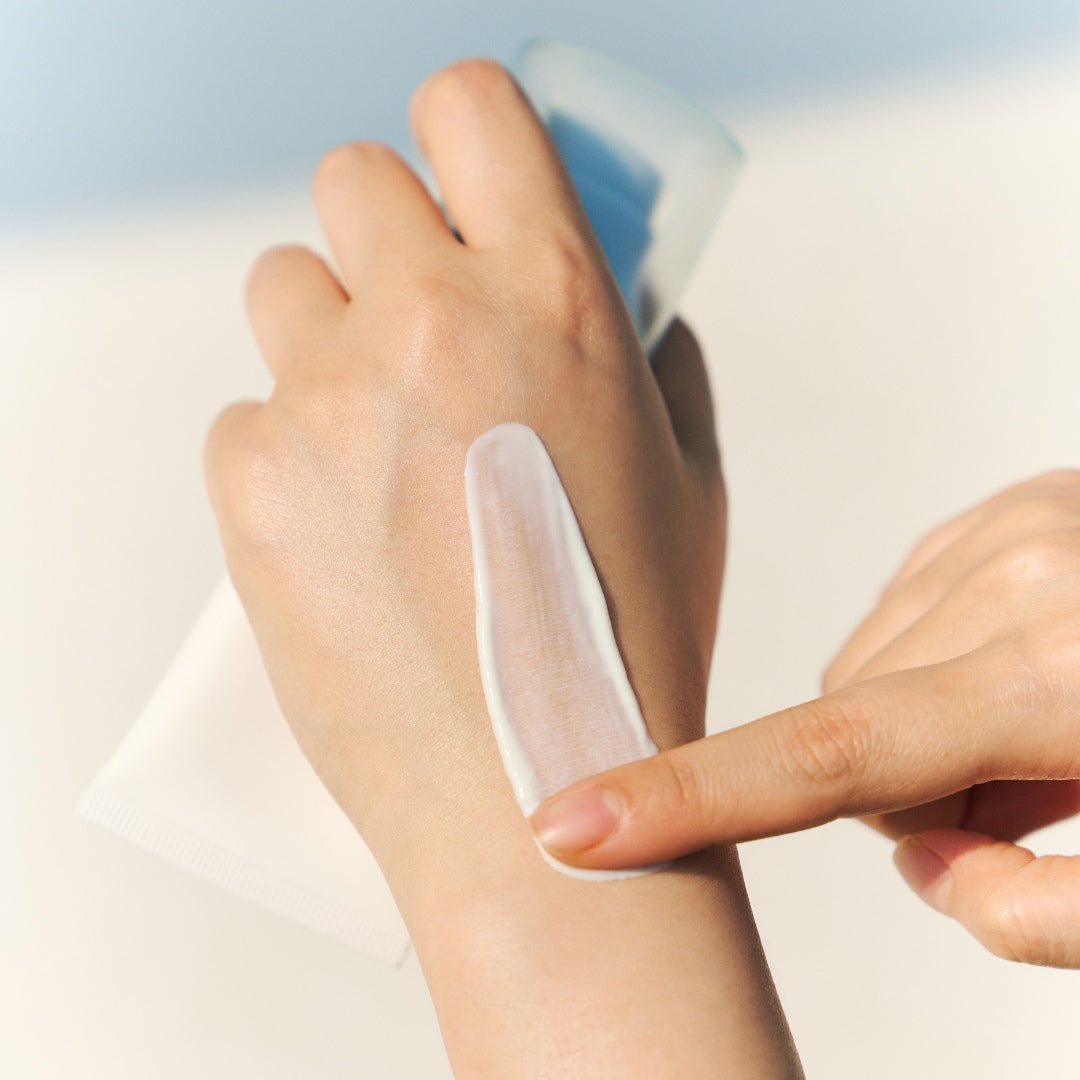
- Spread sunscreen in sections with light strokes, then leave it alone to form an even film.
- Press or tap makeup over sunscreen instead of repeatedly rubbing back and forth.
- If two products always pill together, separate them into morning and evening routines rather than forcing compatibility.
The TORRIDEN DIVE-IN Mild Suncream SPF50+ PA++++ is described as a lightweight mineral sunscreen with ten forms of hyaluronic acid. Because the sunscreen already contributes humectants, you may find that less serum or a lighter moisturiser is enough underneath. Do not reduce the sunscreen amount to solve pilling; adjust the earlier layers instead.
Can you combine hyaluronic acid with other actives?
Hyaluronic acid is generally compatible with common cosmetic ingredients such as niacinamide, vitamin C and retinoids. The challenge is often comfort, not a forbidden combination. If an active treatment has specific directions—vitamin C on clean dry skin, for example—apply it as directed and place hydrating steps around it only if the textures remain comfortable.
Introduce one new product at a time. When irritation appears after five new layers are added together, it becomes difficult to identify the cause. A short routine also makes it easier to see which combination creates pills.
A non-sticky summer routine
In a hot, humid morning, cleanse or rinse, leave the skin faintly damp, apply one small pump of serum, then use a thin layer of emulsion only where needed. Let it settle and finish with sunscreen. At night, repeat the serum and emulsion, adding a richer cream only if the skin still feels dry.
The best hyaluronic-acid routine is not the one with the most molecular weights or layers. It is the one that leaves skin comfortable and lets sunscreen sit evenly. Small amounts, slight dampness, a light seal and minimal rubbing turn a potentially sticky step into practical everyday hydration.
Peptides in Korean Eye Care: Creams, Masks, and What to Expect
Collagen Skincare vs Collagen Supplements: Understanding the Difference
Related Posts

When Should You Replace Makeup and Skincare? A Practical Expiry Guide

Milky Essence Explained: The Soft Layer Between Toner and Cream

The No-Foundation Korean Base: Fresh Skin with Targeted Coverage

K-Pop Idol Lashes: A Wearable Upper and Lower Lash Map

Slow Aging vs Anti-Aging: Understanding the New K-Beauty Philosophy

Korean Straight Brows: How to Create Natural Hair-Like Strokes

Muted Autumn Blush: How to Create a Natural Korean Flush