Oil Serum vs Water Serum: Which Texture Does Winter Skin Actually Need?
When the weather turns cold, “use something richer” sounds like the obvious skincare rule. Yet winter skin can feel tight and still dislike a heavy film. It can look shiny while lacking water, or feel comfortable after cleansing but rough by the end of the day. That is why the more useful question is not simply whether an oil serum or a water serum is better. It is which texture solves the gap in your current routine.
Start with feel, finish and layering—not the product name alone. “Water serum” usually describes a light, quick-spreading formula. “Oil serum” may mean a true oil blend, but it can also be a water-based serum or emulsion that includes oils and leaves more cushion. The ingredient list and the way the product behaves on skin tell you more than the front label.
What a water serum contributes
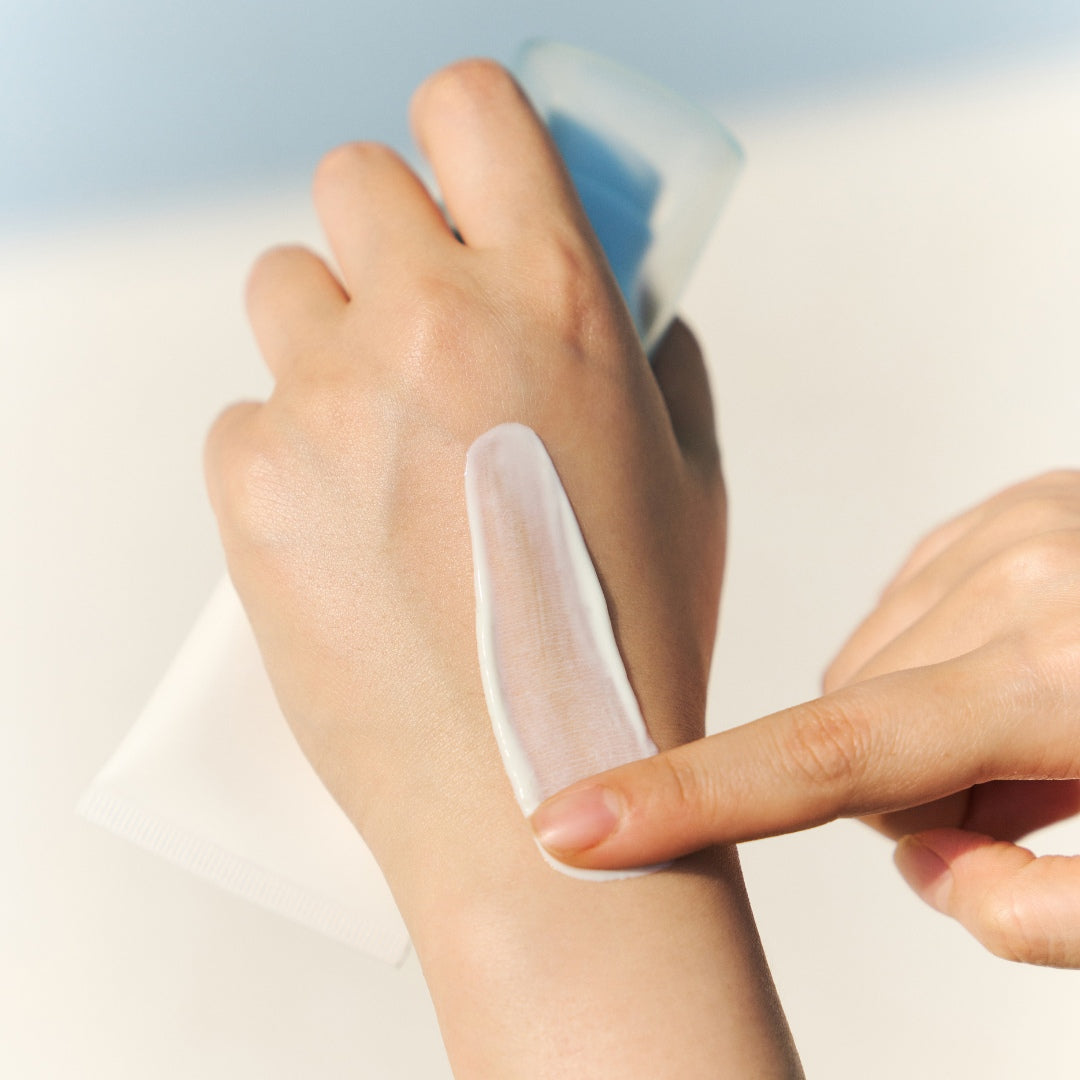
A watery or gel serum is designed to spread easily and sit early in a routine. These formulas often pair water with humectants—ingredients that help attract and hold moisture at the skin’s surface. They can add hydration without much residual slip, which is useful under sunscreen and makeup or for combination skin that becomes uncomfortable in heated rooms.
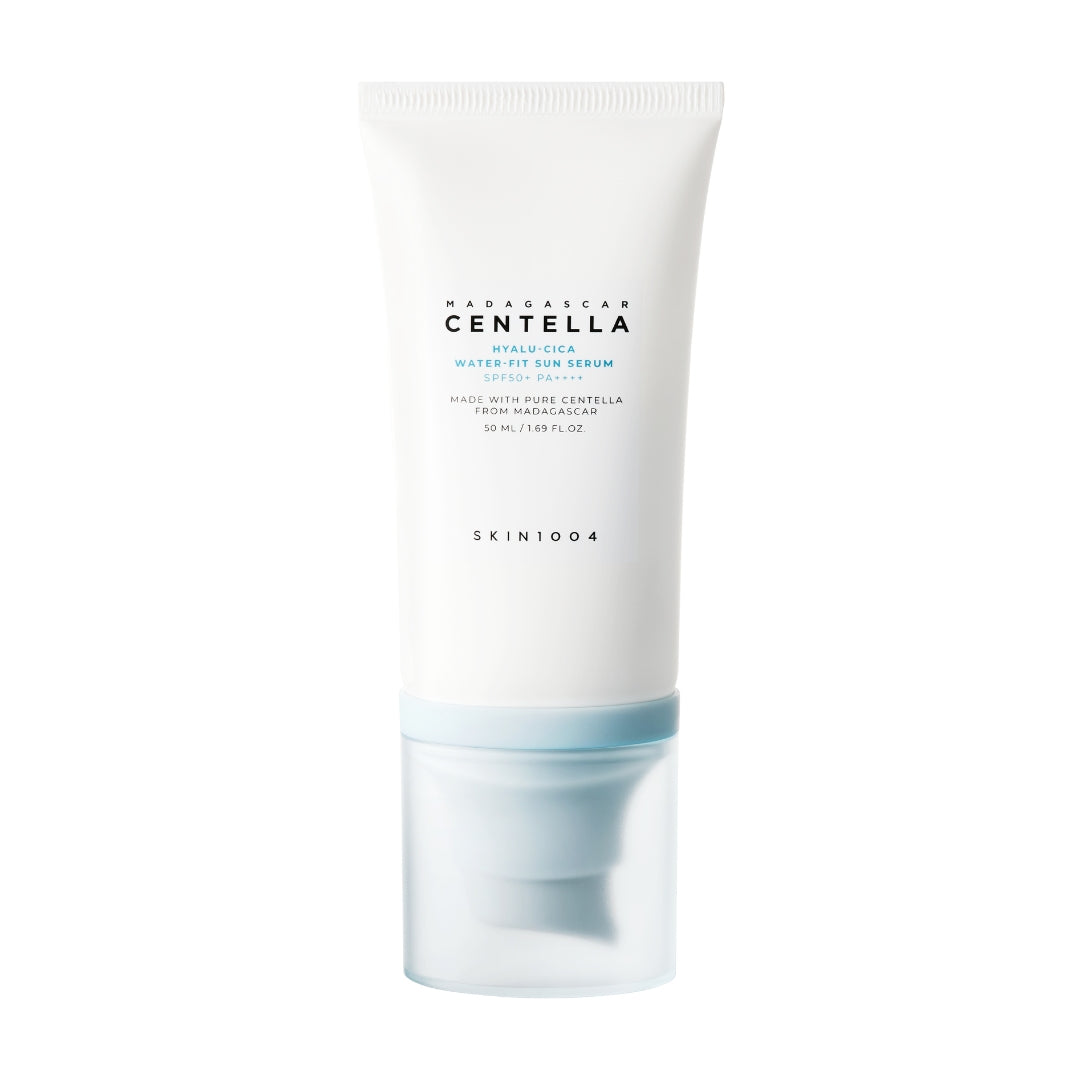
The SKIN1004 Madagascar Centella Hyalu-Cica Blue Serum is a clear example of this texture family. ELI COSMETICS describes it as an ultra-light watery gel with five forms of hyaluronic acid, Centella asiatica leaf water, niacinamide and ceramide NP. It absorbs quickly and is intended to be followed with cream or other treatments.
A water serum is a strong starting point if your skin feels tight after cleansing, looks dull after indoor heating, or pills easily when too many rich layers meet. It adds a flexible hydration step while leaving you free to adjust the moisturiser on top.
What an oil serum contributes
An oil-rich serum generally gives more lubrication and a softer after-feel. That can make dry, rough or wind-exposed skin feel more comfortable, especially at night. Oils and emollients do not replace water, however. Their role is different: they soften the surface and can reduce the sensation that a routine disappears too quickly.
The DEWYTREE The Clean Lab Derma Ceramide Oil Serum also shows why names need context. Its official ingredient list begins with water and glycerin, then combines ceramide NP, panthenol and jojoba seed oil in a serum format. It is not simply a bottle of pure face oil. Expect a more cushioning, nourishing feel than a watery gel, but still treat it as a formulated serum and follow its directions rather than applying generic face-oil rules.
Choose by the problem you notice at 4 p.m.
Your skin’s late-day behaviour is often more informative than how it feels immediately after application.
- Tight but not flaky: begin with a water serum, then seal it with your usual moisturiser.
- Rough, papery or visibly flaky: try the more cushioning oil-serum texture, particularly in the evening, and keep the rest of the routine gentle.
- Shiny yet uncomfortable: use a thin water serum rather than assuming more oil is the answer. Choose a light cream on top and reassess.
- Dry cheeks, comfortable T-zone: apply the water serum across the face and reserve the richer serum for the drier zones.
- Makeup separates by midday: reduce the number and amount of rich layers in the morning; use the oil serum at night instead.
How to layer without heaviness or pilling
Apply from the lightest, most water-like texture to the richest. After cleansing and any toner or essence, spread a small amount of water serum over slightly damp—not wet—skin. Give it a short moment to settle, then apply moisturiser. Sunscreen remains the final morning skincare step.
If you use an oil serum, follow the product’s own instructions and observe its texture. A water-based oil serum such as the DEWYTREE formula can sit in the serum stage. A nearly anhydrous face oil would normally come later. Do not assume every product with “oil” in the title belongs at the very end.
Using both is possible, but it is not automatically better. Apply the watery serum first, then the oil serum in a smaller amount, and finish with cream only if your skin still needs it. If the layers roll into little flakes, feel sticky for more than a few minutes or make sunscreen uneven, simplify. One well-chosen serum is usually easier to wear than two generous layers.
A practical winter split: morning and evening
For many routines, the simplest answer is not choosing one texture forever but assigning each texture a job. A water serum fits mornings because it layers neatly beneath moisturiser, sunscreen and makeup. An oil serum can move to the evening, when a more cushioned finish is less likely to interfere with foundation or SPF.
That split can change with the weather. On a mild, humid day, the watery option may be enough. After wind, travel or long hours beside a heater, the richer serum may feel more appropriate. Adjust the amount before replacing the entire routine.
Three myths to leave behind
- “Dry skin always needs oil.” Dry-feeling skin may need water, emollients or both. Texture and the rest of the routine matter.
- “Oily skin should avoid every oil serum.” A small amount of a well-formulated product may feel comfortable, but a light water serum is often the easier first test.
- “The richer serum is the stronger serum.” Richness describes sensory feel, not effectiveness or ingredient concentration.
The one-week texture test
Keep cleanser, moisturiser and sunscreen unchanged. Use one serum texture for several days and note tightness, flaking, shine, pilling and makeup wear. Then test the other texture under similar conditions. Patch test new products and stop if irritation develops.
Winter skin rarely needs the maximum amount of everything. It needs a routine in which water, softness and protection are balanced. Choose the watery serum when you want light hydration and easy layering; choose the oil-serum texture when your routine needs more cushion. If your face asks for both, use them strategically rather than heavily.
How to Apply a Glassy Water Tint Without Emphasising Dry Lip Patches
One Palette, One Face: A Practical Korean Makeup Map for Eyes, Cheeks and Contour
Related Posts

The Winter Home-Spa Body Polish: How Often Should You Really Exfoliate?

One Palette, One Face: A Practical Korean Makeup Map for Eyes, Cheeks and Contour

How to Apply a Glassy Water Tint Without Emphasising Dry Lip Patches

Green, Peach or Lavender? A Beginner’s Korean Color-Correction Map

The 3-Minute Toner Pad Mask for Skin Tired by Indoor Heating

Coat-Season Hair: A Korean Routine for Static, Friction and Dry Ends