Snail Mucin vs Bean Essence: Which Korean Essence Fits Your Skin?
Snail mucin and bean essence often appear in the same “glass skin” conversation. Both can be clear, cushiony and easy to layer, so social media sometimes treats bean essence as a vegan copy of snail mucin. That shortcut misses the most useful point: these are different ingredient families used in different finished formulas.
Snail mucin is an animal-derived secretion that is filtered for cosmetic use. Bean essence usually refers to a plant-based formula built around soybean or other grain ferments. Either can help a routine feel more hydrated, but the complete ingredient list, texture and how your skin responds matter more than the viral name on the front.
What is snail mucin in skincare?
On an ingredient list, snail mucin normally appears as snail secretion filtrate. Its composition varies with species, collection and processing, but it may contain water-binding compounds, glycoproteins and other naturally occurring components. Reviews of topical snail products report promising findings for hydration and the look of texture; however, studies are small, use different extracts and formulations, and do not prove that every snail essence will repair scars or reverse skin ageing.
The most reliable cosmetic expectation is supportive hydration and conditioning from the finished formula. Snail products often have a viscous, stringy slip that spreads easily in a thin layer. Some absorb cleanly; others remain tacky when too much is applied or when several gel products are stacked together.
The DEWYTREE Ultra Vitalizing Snail Serum is an in-stock option for shoppers who specifically want a snail-based serum step. Apply a small amount after toner and before cream, then judge it by comfort, finish and compatibility with the rest of your routine—not by dramatic “regeneration” promises.
What is fermented bean essence?
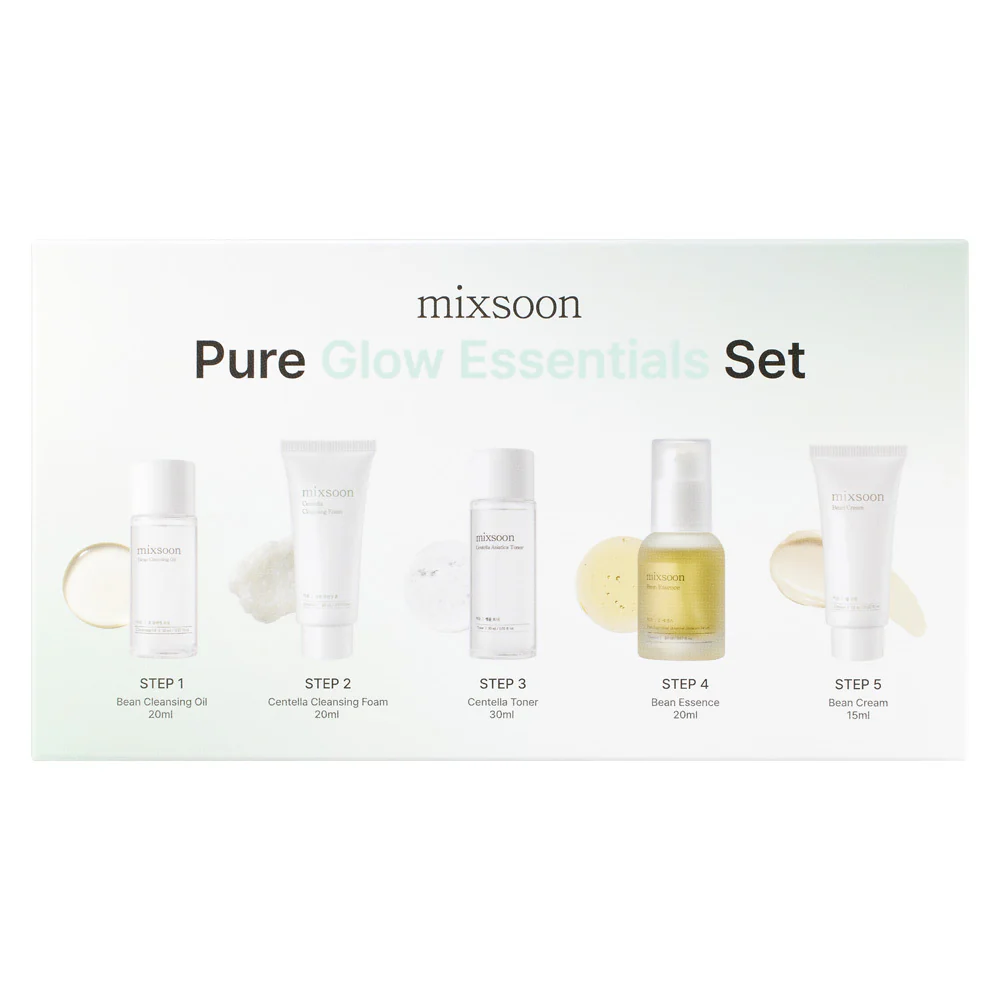
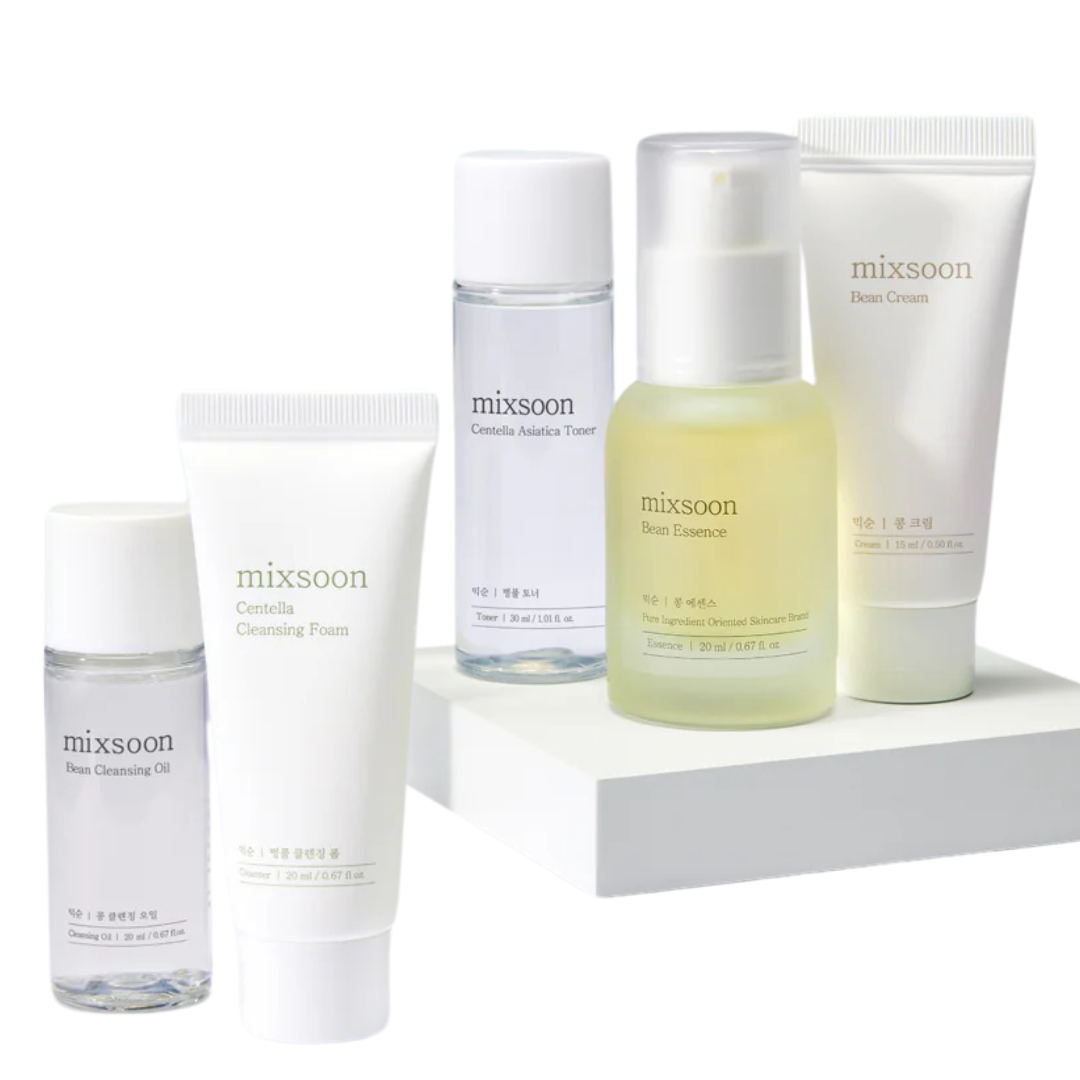
“Bean essence” is not one standardized ingredient. In the MIXSOON Bean Essence, the formula includes glycerin plus ferments of soybean, pomegranate, barley and pear. Fermentation uses microorganisms to transform raw materials, but it does not automatically make a product stronger, safer or suitable for everyone.
The official directions offer two modes: pat a few drops into skin as a hydrating essence, or massage it as directed for a texture-focused treatment. If you use the massage method, follow the brand’s instructions and avoid aggressive rubbing. The formula’s humectants and slip can give immediate softness and glow; claims about long-term brightening or “pore removal” should still be treated cautiously unless supported by finished-product testing.
Snail mucin vs bean essence: the practical differences
- Source: snail secretion filtrate is animal-derived; fermented bean essence is plant-based and may suit someone avoiding animal-derived cosmetics.
- Texture: snail formulas are often stretchy or gel-like. MIXSOON Bean Essence has a slippery, cushiony feel that can be patted or massaged according to its directions.
- Primary routine role: both can be hydrating layers. Snail mucin is commonly chosen for a cushioned, comforting feel; bean essence may appeal to someone prioritising a vegan formula and a smoother-feeling texture step.
- Evidence: research on snail extracts and topical soy or ferments is interesting but varied. It cannot guarantee the same result from every commercial formula.
- Ethics and preferences: a vegan shopper will generally prefer bean essence. Those considering snail products may wish to investigate the brand’s sourcing practices.
Which one fits dry or dehydrated skin?
Either may work, because hydration depends heavily on humectants and the moisturiser used on top. If your skin likes richer gel textures, a snail serum can provide a pleasantly cushioned layer. If you want hydration with a plant-based formula, bean essence is the more direct fit. Apply to slightly damp—not wet—skin and seal with a moisturiser to reduce water loss.
Which one fits oily or combination skin?
Start with the texture you are most likely to use consistently. A small amount of either essence may feel lighter than a rich cream, but “oily” does not mean skin needs no moisturiser. If a formula becomes sticky, reduce the dose and simplify the layers around it. Do not assume bean ingredients control sebum or that snail mucin treats acne; those outcomes depend on the full formula and individual skin.
What about sensitive or blemish-prone skin?
Neither category is automatically hypoallergenic. Patch-test a new product on a small area for several days, especially if your skin is reactive. Fermented ingredients can be comfortable for many people but are not universally soothing. Snail products can also trigger reactions; people with known allergies or a history of strong reactions should check the complete ingredient list and seek professional advice when appropriate.
Introduce only one new essence at a time. That makes it easier to identify irritation, clogged-feeling texture or simply a finish you dislike. Stop if you develop persistent itching, swelling or a rash.
Can you use snail mucin and bean essence together?
You can, but most routines do not need both. Layering two similar gel essences may increase tackiness without adding a meaningful benefit. If you enjoy both, use the thinner-feeling product first, keep each amount small, and wait briefly before moisturiser. Another simple option is to alternate mornings and evenings.
A simple decision guide
Choose snail mucin if you enjoy a stretchy, cushioned serum texture, want an animal-derived snail step and are comfortable with the brand’s sourcing. Choose bean essence if you prefer a vegan route, like a slippery plant-ferment formula and want the option to use it as a gentle massage step according to directions. Choose neither if your current hydrating serum already works: an essence is optional, not a requirement for healthy skin.
Whichever you pick, use a small amount between toner and moisturiser, introduce it gradually and wear broad-spectrum sunscreen in the morning. The better essence is not the one with the loudest viral claim—it is the one whose formula, source, texture and price fit a routine you can use comfortably.
Collagen Skincare vs Collagen Supplements: Understanding the Difference
Barrier Repair After Heat and Air Conditioning: A Lightweight K-Beauty Routine
Related Posts

When Should You Replace Makeup and Skincare? A Practical Expiry Guide

Milky Essence Explained: The Soft Layer Between Toner and Cream

The No-Foundation Korean Base: Fresh Skin with Targeted Coverage

K-Pop Idol Lashes: A Wearable Upper and Lower Lash Map

Slow Aging vs Anti-Aging: Understanding the New K-Beauty Philosophy

Korean Straight Brows: How to Create Natural Hair-Like Strokes

Muted Autumn Blush: How to Create a Natural Korean Flush