When Should You Replace Makeup and Skincare? A Practical Expiry Guide
The half-used mascara in your drawer may look fine, while a recently opened cream can change sooner than expected after a hot trip. That is why one universal “beauty products expire after a year” rule does not work. The useful answer comes from three clues: the date or symbol on the package, how the product has been used and stored, and whether the formula has changed.
Korean makeup and skincare follow the same basic logic as other cosmetics. A sealed product has an unopened shelf life; once you begin using it, air, fingers and applicators become part of its environment. The safest habit is not to memorise dozens of category dates. It is to read the package, record when you opened it, and retire a product early when the formula or packaging no longer seems right.
Start with the label: expiry date versus PAO
Look first for a printed expiry or “best used before” date. In the EU, cosmetics with a minimum durability of 30 months or less carry a minimum-durability date. Products designed to last longer commonly show the open-jar Period After Opening symbol: a number such as 6M, 12M or 24M. That number means the period the product is intended to remain usable after it is first opened, under suitable storage conditions.
The PAO clock does not begin when you buy the product. It begins when you open it. Write the month and year on a small removable sticker or keep a note on your phone. If the carton carries the useful information, photograph it before recycling the box.
A printed date and a PAO are not permission to ignore visible changes. They assume appropriate storage and normal use. A product left in a hot car, diluted with water, shared with someone else or repeatedly handled with unwashed fingers may need replacing sooner.
Replace mascara and liquid eye products more often
Eye-area liquids deserve the strictest routine because the applicator returns to the tube after touching the lashes. The FDA says manufacturers commonly recommend discarding mascara two to four months after purchase, while the American Academy of Dermatology gives three months as a practical benchmark. Follow the shorter instruction when your own tube specifies one.
For a real-life example, note the opening date when you begin a new ROM&ND Han All Fix Mascara. Close it firmly, avoid pumping the wand, and never add water or saliva to revive a dry formula. Replace it immediately if it develops an unusual smell, clumps differently, flakes unexpectedly, or was used during an eye infection.
Liquid liner follows similarly cautious handling. A sharpenable pencil can often remain usable longer because sharpening removes the exposed surface, but its printed PAO and any change in smell, texture or application still take priority.
Use category timelines as guides, not guarantees
If the label is missing, general timelines can help you audit the drawer, but they are not manufacturer-specific promises.
- Liquid foundation and concealer are often assessed around 6–12 months after opening, especially when a wand repeatedly returns to the container.
- Cream blush, shadow and multi-use pots need clean fingers or tools and close attention to separation, drying or a changed scent.
- Powder blush, shadow and setting powder can often last longer—commonly around two years—when kept dry and used with clean brushes. A hard film, crumbling, unusual odour or changed performance is a reason to stop.
- Lipsticks, balms and tints vary widely. Follow their PAO and replace them if the smell turns waxy or rancid, the colour shifts, the texture becomes grainy, or the applicator and product no longer look clean.
- Skincare should follow its own label. Pumps and tubes limit direct contact better than open jars, but packaging cannot rescue a formula exposed to heat or used with dirty hands.
Do not reset the clock by transferring an older formula into a new jar. You lose the original label, batch information and packaging protection, and the transfer itself can introduce contamination.
Treat sunscreen as a date-sensitive product
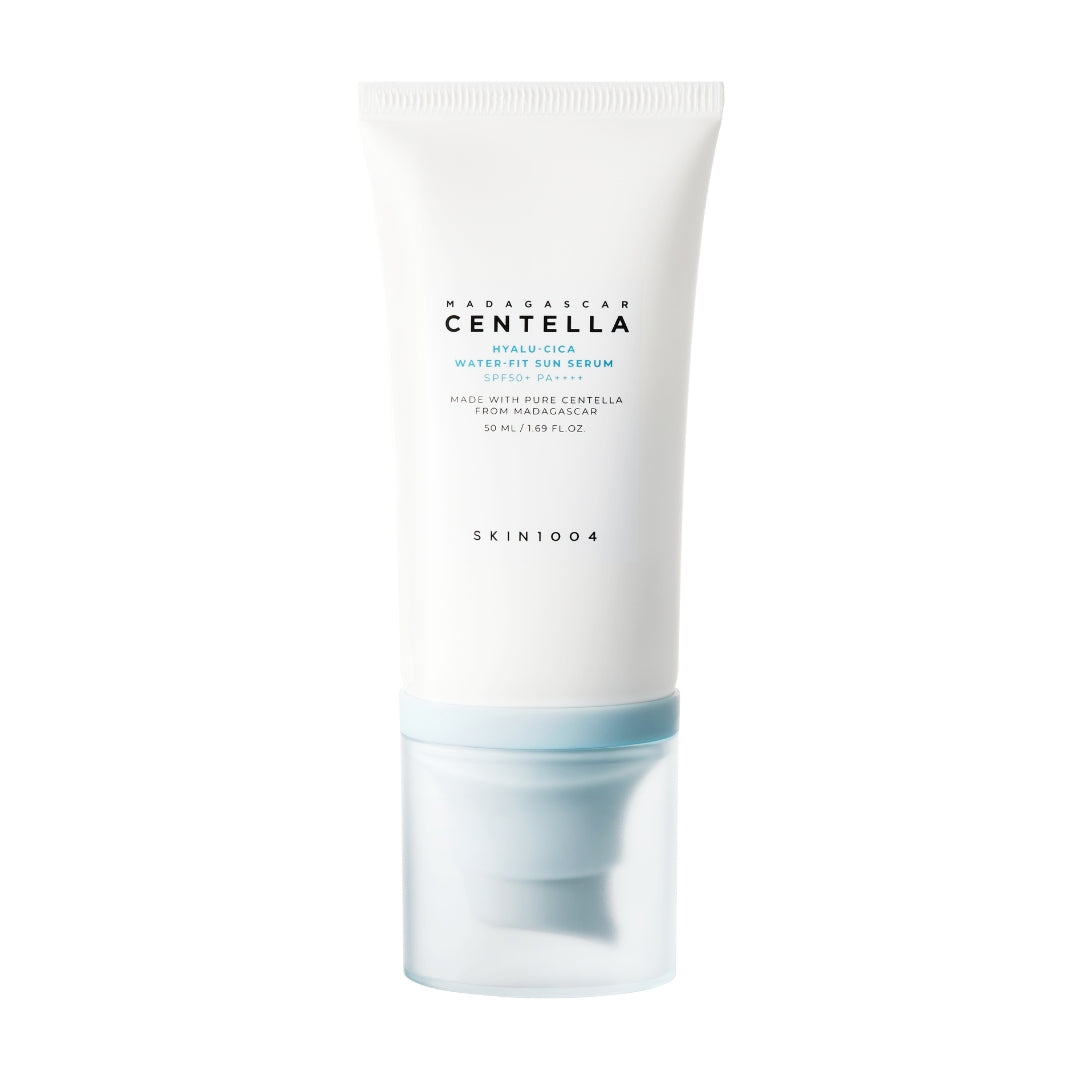
Sunscreen is not the place for improvisation. Check the printed expiry date, PAO and storage instructions, and replace the product by the earliest applicable limit. Throw it away sooner if it has separated, changed colour or odour, become dry or lumpy, or spent extended time in strong heat.
When opening a new MIXSOON Centella Sun Cream SPF50+ PA++++, record the date just as you would for mascara. Keep the cap closed and store it away from direct sun and a hot car. Do not mix an ageing sunscreen with moisturiser to improve the texture: that makes application and protection less predictable.
Daily use in an adequate amount means a facial sunscreen should normally empty well before a long theoretical shelf life. If one tube has followed you through several seasons, inspect its date and condition before relying on it.
Five signs that override the calendar
Replace a product before its printed window ends when you notice:
- A new sour, rancid, chemical or otherwise unusual smell.
- Separation that does not return to the formula’s normal consistency, or new lumps and graininess.
- A marked colour change unrelated to normal settling or oxidation during wear.
- Drying, crumbling, stringiness, unexpected thinning, or a change in application and performance.
- Damaged packaging, a loose cap, a cracked jar, a contaminated applicator, visible growth, or a product used during an eye or skin infection.
Do not taste, deeply sniff or repeatedly test a suspicious formula on the face. When in doubt, replacing one product is more sensible than trying to rescue it.
Make products last as intended
Store makeup and skincare in a clean, dry place at room temperature, away from direct sunlight and repeated humidity. A steamy bathroom shelf is convenient but not ideal for every formula. Close caps promptly, wash hands before dipping into jars, use a clean spatula where appropriate, and clean reusable brushes and sponges on schedule.
Do not share eye or lip products. Avoid adding water, toner or oil to change a texture unless the manufacturer specifically instructs it. Buy sizes you can realistically finish: a smaller fresh product can be better value than a large jar discarded half-full.
Every three months, do a ten-minute audit. Group products into keep, inspect soon and replace. Check labels, opening notes, scent, colour, texture, packaging and how each product performs. This evidence-led approach avoids both extremes: keeping a questionable product indefinitely and throwing away a stable formula simply because an online chart gave a generic date.
The final rule is simple: the product’s own label comes first, sensible hygiene and storage come next, and changes in the formula can end its life early. A small opening-date note makes the decision much easier—and keeps your K-beauty routine focused on products that still look, feel and perform as intended.
Related Posts

Milky Essence Explained: The Soft Layer Between Toner and Cream

The No-Foundation Korean Base: Fresh Skin with Targeted Coverage

K-Pop Idol Lashes: A Wearable Upper and Lower Lash Map

Slow Aging vs Anti-Aging: Understanding the New K-Beauty Philosophy

Korean Straight Brows: How to Create Natural Hair-Like Strokes

Muted Autumn Blush: How to Create a Natural Korean Flush