How to Restart Retinol Gently After Summer
If retinol disappeared from your routine during beach days, long evenings outdoors, or a sunny holiday, September can feel like the obvious moment to bring it back. The mistake is treating the first cooler night as permission to restart at your old frequency. After a break, skin may no longer have the same tolerance—and summer can leave it feeling dry, tight, or easily irritated.
A gentle restart is deliberately uneventful. Check that your skin feels calm, use a small amount on one night, keep the rest of the routine simple, and wait to see how your skin responds. Retinol rewards consistency more than speed.
First, make sure your skin is ready
Do not restart simply because the calendar says autumn. Wait if your face is sunburned, peeling, unusually red, stinging when you apply basic moisturizer, or recovering from a strong exfoliation or cosmetic procedure. Use a gentle cleanser, moisturizer, and sunscreen until your skin feels comfortable again.
If you have eczema, rosacea, persistent irritation, or use a prescription retinoid, ask a dermatologist how to resume. Retinoids are generally avoided during pregnancy; follow medical guidance if you are pregnant, breastfeeding, or planning a pregnancy. A skincare article cannot replace advice tailored to your health and prescriptions.
When the product itself is new to you, patch test it according to its directions. The American Academy of Dermatology recommends testing skincare on a small area before full use, especially when sensitive skin is involved.
Restart lower than where you stopped
Even if you previously used retinol several nights a week, begin again conservatively. A practical schedule is:
- Week 1: one retinol night.
- Week 2: one or two nights, only if skin stayed comfortable.
- Weeks 3 and 4: two nights, spaced apart.
- After week 4: increase only when there is a reason and your skin remains calm.
There is no prize for reaching nightly use. Many routines work well at two or three nights per week. Add frequency only after several comfortable applications, not because one irritation-free morning proves that your skin is fully adjusted.
The HARUHARU WONDER Black Rice Night Knight Retinol Serum contains 0.08% retinol alongside bakuchiol, ceramide NP, sunflower seed oil, and fermented black-rice extract. The brand directs users to apply a pea-sized amount at night and increase gradually from one or two uses per week. That makes it a natural example for a measured restart, but its gentle positioning does not make overuse risk-free.
Build a quiet retinol night
Retinol night does not need to become an elaborate treatment. Cleanse gently, pat skin dry, and let it dry fully if applying retinol to damp skin tends to increase discomfort. Spread a pea-sized amount across the face while avoiding the eyelids, corners of the nose, and lips unless your product specifically says otherwise. More product does not work faster; it simply increases the chance of irritation.
Finish with moisturizer. The SKIN1004 Madagascar Centella Soothing Cream is a lightweight gel moisturizer that can keep this step comfortable without making the routine feel crowded.
If you are easily irritated, try a “moisture sandwich”: apply a thin layer of moisturizer, let it settle, apply retinol, then add another small layer of moisturizer. This can buffer the experience, although it is still important to follow the directions for your exact formula.
Keep competing actives off the same night
During the restart phase, resist stacking. Skip strong exfoliating acids, scrubs, peel pads, and other retinoid products on the same evening. The goal is to learn how your skin responds to one active, not to create the most intensive routine possible.
Hydrating toner or serum can stay if it is already familiar and does not sting, but it is optional. A basic cleanse-retinol-moisturizer sequence is enough. If another active matters to your routine, place it on a separate night rather than forcing everything into one session.
Sunscreen is part of the retinol plan
Retinol belongs in the evening routine, while reliable sun protection belongs in the next morning’s routine. Apply a broad-spectrum sunscreen generously to exposed skin and reapply according to the label, especially when outdoors. Shade, hats, and other protective habits still matter in September.
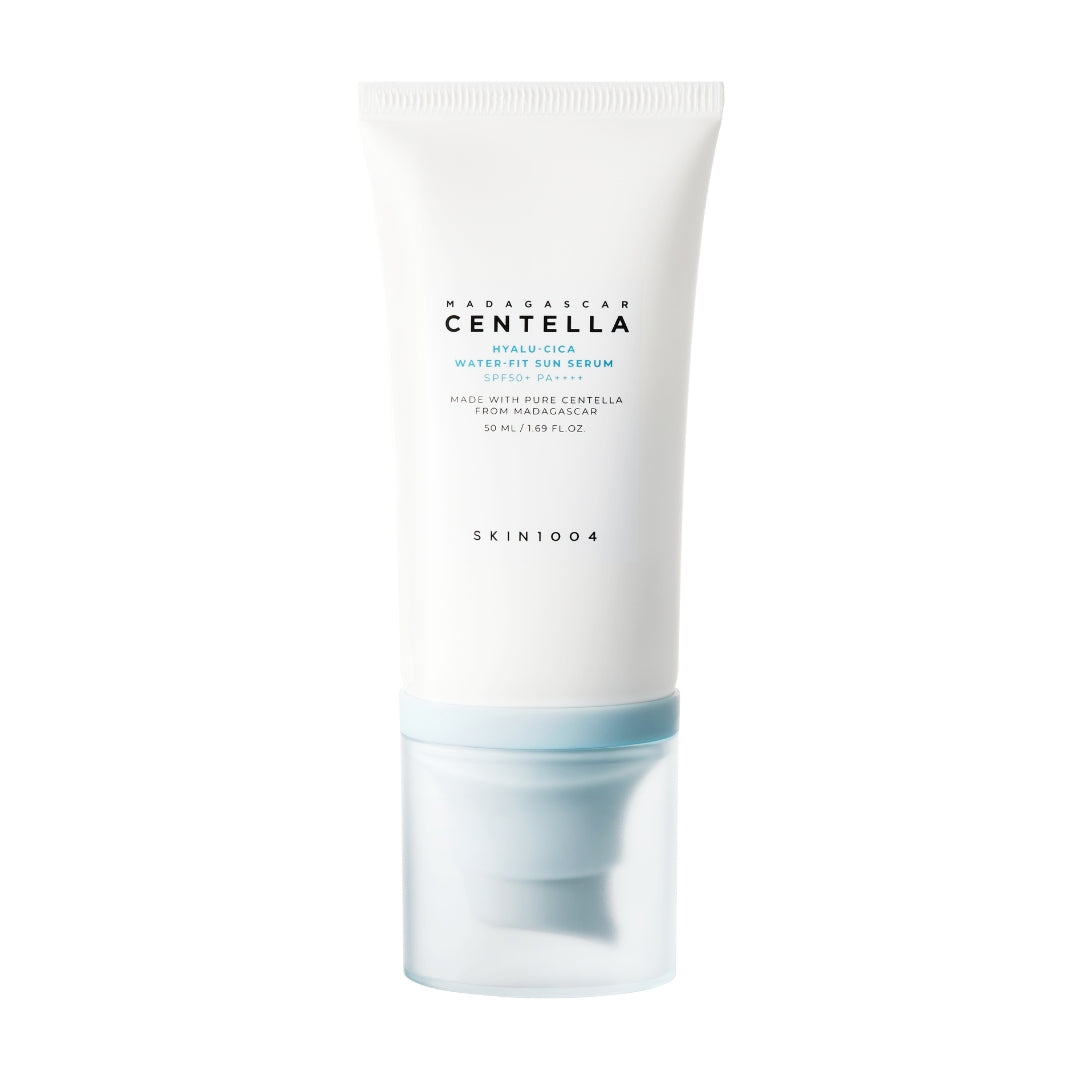
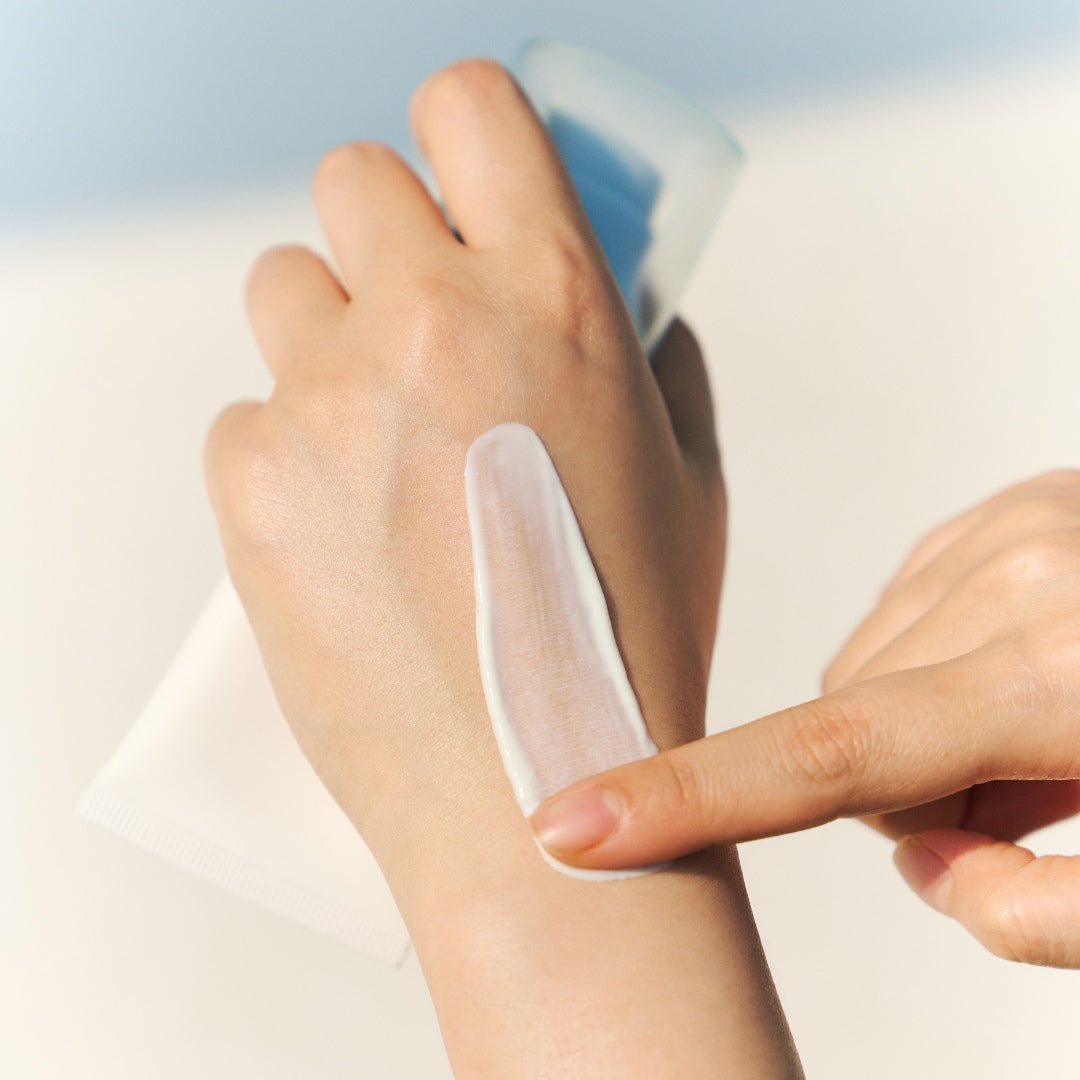
The MIXSOON Centella Sun Cream SPF50+ PA++++ offers a lightweight, water-based texture for daily use. The best sunscreen here is ultimately one you can apply evenly and consistently; retinol does not compensate for missed protection.
Know when to pause
Mild dryness or temporary flaking can occur while adjusting, but burning, swelling, marked redness, cracking, or a persistent rash is not a signal to push through. Stop the active, return to a simple routine, and seek professional advice if the reaction is severe or does not settle.
Also pause when your skin is sunburned or before prolonged intense sun exposure if your clinician or product directions advise it. Once skin is calm again, restart from a lower frequency rather than immediately returning to the last schedule.
A simple September reset
Restarting retinol after summer is less about “undoing” the season and more about rebuilding a dependable habit. One pea-sized application, one quiet routine, and several days of observation tell you more than an aggressive first week. Let moisturizer support comfort, keep daily sunscreen steady, and allow frequency to rise only as slowly as your skin needs.
Korean Emulsion vs Cream: How to Layer Moisturizer in Transitional Weather
Pink Salt in Korean Cleansers: What It Is and How to Use It
Related Posts

Body Barrier Care: The Best Time to Apply Lotion After a Shower

Scalp Skinification: How to Use a Shampoo Brush Without Overdoing It

Azulene in K-Beauty: The Blue Soothing Ingredient Explained

Spicule Skincare Explained: What “Reedle” Products Actually Do

K-Pharmacy Skincare: What the Trend Means—and What It Does Not

Fragrance-Free vs Unscented Skincare: How to Read the Label

Enzyme Powder Wash: How to Use It Gently Without Over-Exfoliating