What Is Bubble Toner? How to Apply This Korean Skincare Texture
Bubble toner looks a little like cleanser foam, but it belongs to a different step. Instead of pouring from an open bottle, the liquid passes through a foaming pump and arrives as an airy cloud that is left on the skin. It is still a toner: use it after cleansing, then continue with serum, moisturizer and daytime sunscreen as needed.
The format is playful, but the bubbles are not proof that a product hydrates better, penetrates deeper or suits every skin type. Formula, directions and how your skin responds matter more than the novelty. Here is how to use the texture without confusing it with face wash or turning one light layer into an unnecessarily complicated routine.
What exactly is bubble toner?
A bubble toner is a leave-on liquid packaged in a pump that creates foam as it dispenses. The bubbles briefly give the toner structure, making it easier to see how much product you have and where it is going. As you spread or press the foam, it collapses back into a thin liquid film.
“Bubble toner” is a format, not a regulated ingredient category. One formula may focus on simple hydration; another may include botanical extracts, fragrance or exfoliating acids. Do not assume two products work the same way because both emerge as foam. Read the ingredient list, label directions and warnings just as you would with a regular toner.
Bubble toner is not foaming cleanser
The easiest distinction is what happens next. A cleanser is massaged over skin and rinsed away with water. A bubble toner is pressed or patted onto clean skin and left in place. Similar-looking pump bottles can hold either product, so check the front label and instructions before applying.
If the directions say “rinse thoroughly,” it is a cleanser. If they place the product after cleansing and before serum or cream, it is a toner. Do not leave cleanser lather on the face as a makeshift mask, and do not rinse off a leave-on toner unless its brand tells you to.
How to apply bubble toner step by step
- Cleanse first. Use your usual cleanser, rinse well and gently pat away dripping water. Skin can be slightly damp, but it should not be so wet that the foam slides off.
- Start with one pump. Dispense into clean fingertips or a palm. Pump output varies, so begin conservatively and add a little more only if you cannot cover the face and neck.
- Place, then spread. Dot or lightly press the foam onto the cheeks, forehead and chin. Move it across the skin with gentle outward motions. You do not need to scrub until the bubbles disappear.
- Pat the remaining film. Once the foam collapses, press or pat the thin liquid until the surface feels comfortable rather than wet. Patting helps control the layer; it does not force ingredients deeper into skin.
- Continue simply. Follow with any targeted serum, then moisturizer. In the morning, finish with broad-spectrum sunscreen.
Some brands suggest leaving a thicker bubble layer for one or two minutes as a short “toner pack.” Treat that as product-specific guidance, not a rule for every foam toner. More product may feel sticky and can increase exposure to fragrance, acids or other ingredients that your skin does not tolerate.
Hands or cotton pad?
Hands are usually the most intuitive option because the pump has already controlled the texture. They also avoid soaking up part of the product. A cotton pad can make sense if the label recommends a light wiping step, but there is no need to drag repeatedly over the same area.
For comparison, standard liquid toners give you similar choices. The in-stock BEPLAIN Greenful Balancing Toner 200 ml can be applied with a cotton pad or patted in with hands. Because its verified formula includes gluconolactone, follow its directions rather than copying a multiple-layer “seven-skin” trend automatically.
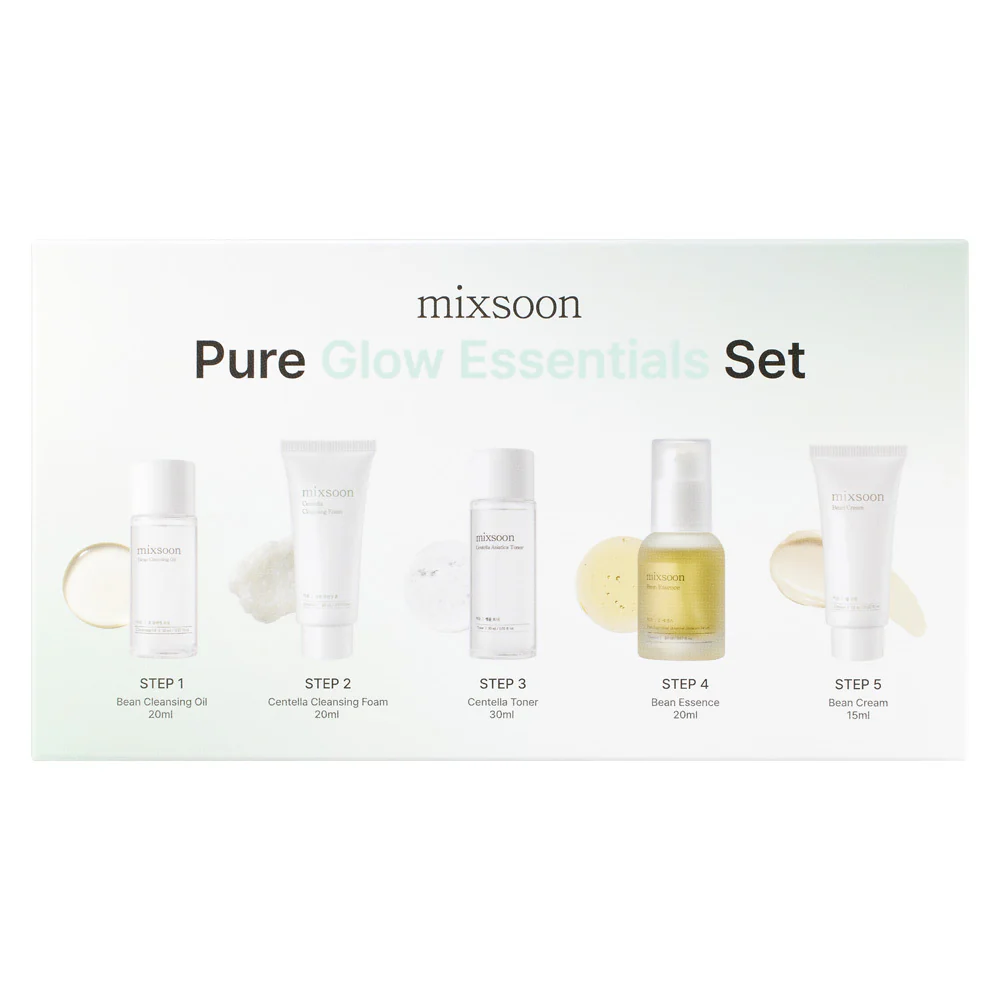
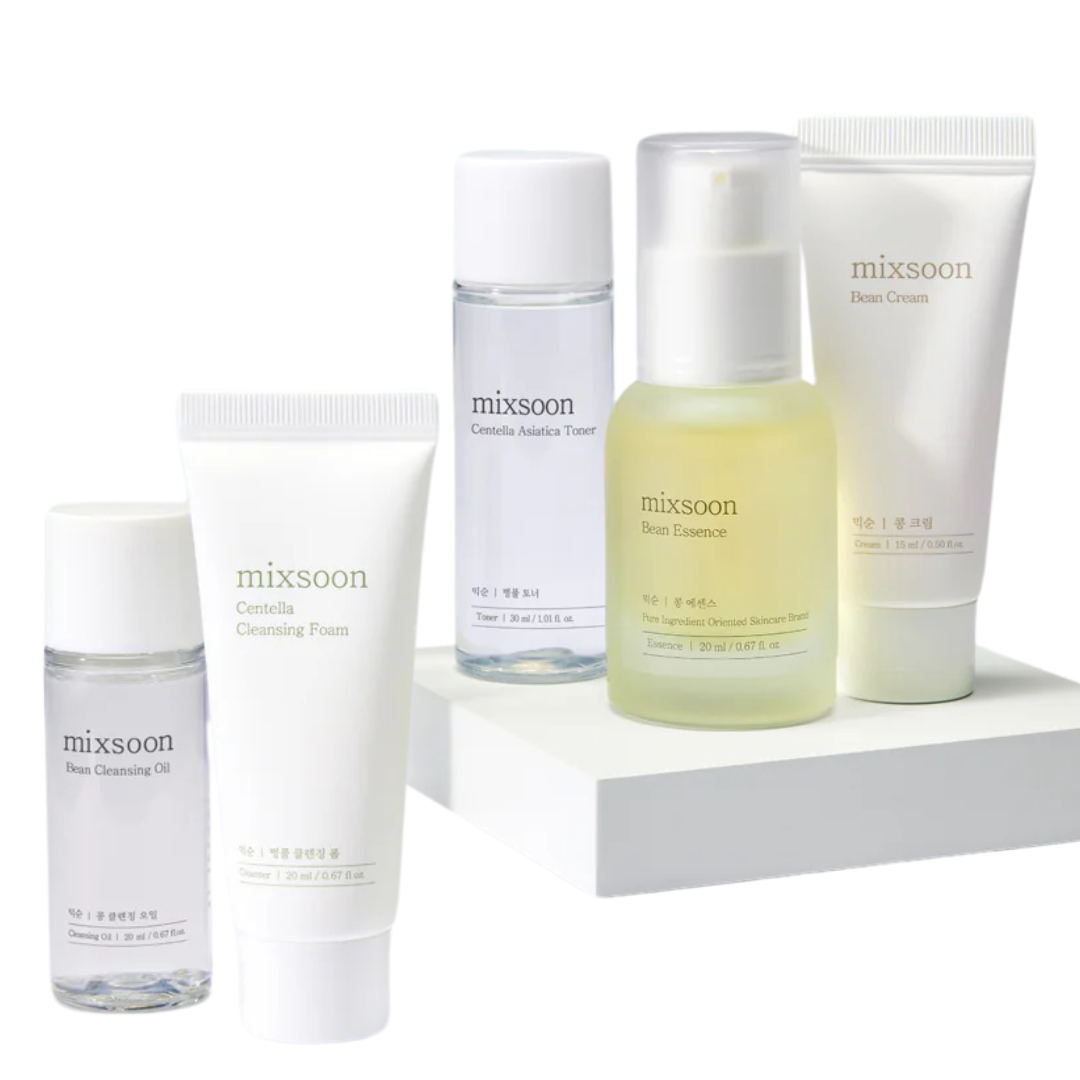
The MIXSOON Bean Toner 300 ml is another active, in-stock liquid option; its store directions recommend a moderate amount after cleansing and gentle patting. Neither bottle is a bubble toner, but both illustrate the more important decision: choose ingredients and directions that suit your routine, then use the texture correctly.
How much should you use?
There is no universal pump count because pumps produce different volumes. Start with the smallest amount that makes a thin, even layer. If foam piles up like shaving cream, slides toward the jaw or remains wet for several minutes, you are probably using more than necessary.
One layer is usually enough. If skin still feels tight, it may be more useful to apply moisturizer than to keep stacking toner. Early-autumn weather can move between warm afternoons and cooler, drier evenings, so adjust the cream step before assuming you need three or four foam layers.
Who should be cautious?
Patch test any new leave-on formula, especially if your skin is reactive or you have a history of contact allergy. Foam does not make exfoliating acids, fragrance or essential oils gentler. Introduce one new product at a time, and reduce frequency or stop if you notice persistent burning, itching, swelling or a rash.
Bubble toner is also optional. A balanced cleanser and moisturizer can form a complete basic routine, with sunscreen in the morning. Toner earns its place when you like the formula, the layer feels comfortable and it helps you build a routine you can use consistently.
The takeaway
Bubble toner is simply a leave-on toner delivered as foam. Apply it after cleansing, begin with one pump, spread without scrubbing, pat the collapsed liquid film and continue with richer steps. Keep cleanser foam and toner foam separate, follow the specific label, and judge the complete formula rather than the bubbles. Used that way, the unusual texture can be a neat, controlled first layer for an early-autumn K-beauty routine—not another reason to overcomplicate skincare.
Ginseng in Korean Skincare: Where an Essence Fits in Your Routine
How to Use Korean Hair Perfume Without Weighing Down Your Hair
Related Posts

Body Barrier Care: The Best Time to Apply Lotion After a Shower

Scalp Skinification: How to Use a Shampoo Brush Without Overdoing It

Azulene in K-Beauty: The Blue Soothing Ingredient Explained

Spicule Skincare Explained: What “Reedle” Products Actually Do

K-Pharmacy Skincare: What the Trend Means—and What It Does Not

Fragrance-Free vs Unscented Skincare: How to Read the Label

Enzyme Powder Wash: How to Use It Gently Without Over-Exfoliating